Keeping track of tiny coral larvae in the vast and complex marine environment requires careful planning. In November, we will be settling millions of coral larvae onto Hastings Reef on Yirrganydji Sea Country, but at the time of delivery, most larvae will be less than 1 mm long. We want to monitor settlement success of these little coral babies the day after we deliver them to the reef, but they’ll be too small to count by eye and we can’t take our microscopes down to the reef floor.
What we need is little pieces of removable, substitute reef that we can carefully collect the day after larval delivery, carry to our research vessel, examine under microscopes to count the baby corals, then return to the reef so the baby corals can keep growing. The solution? Settlement tiles!
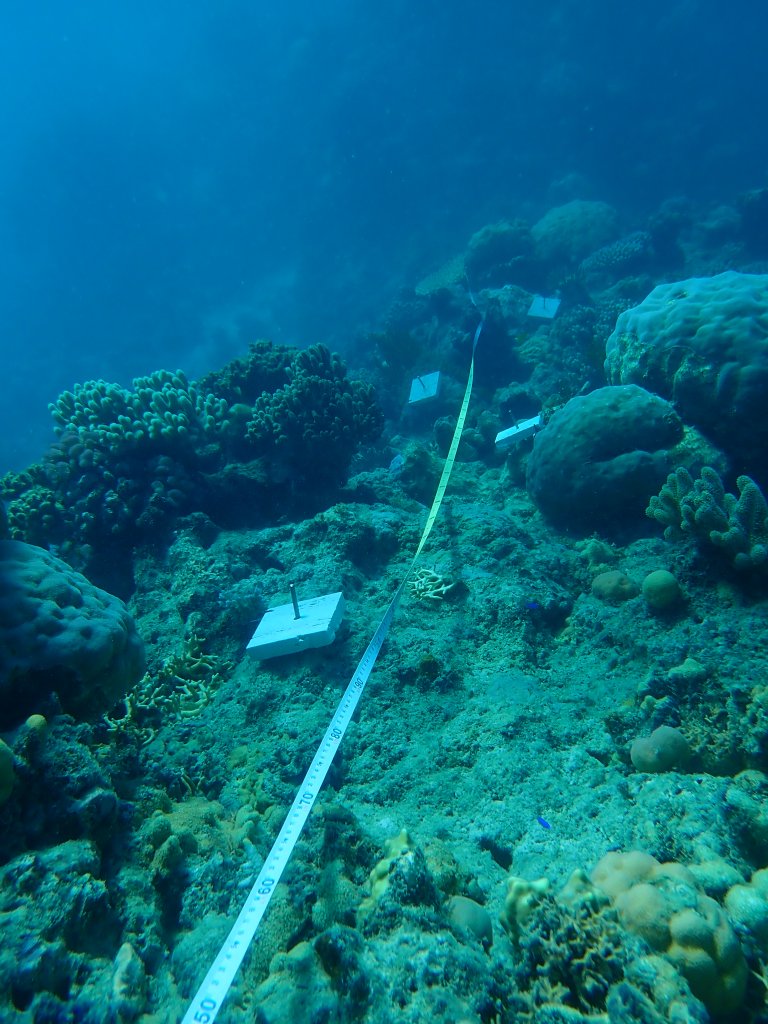
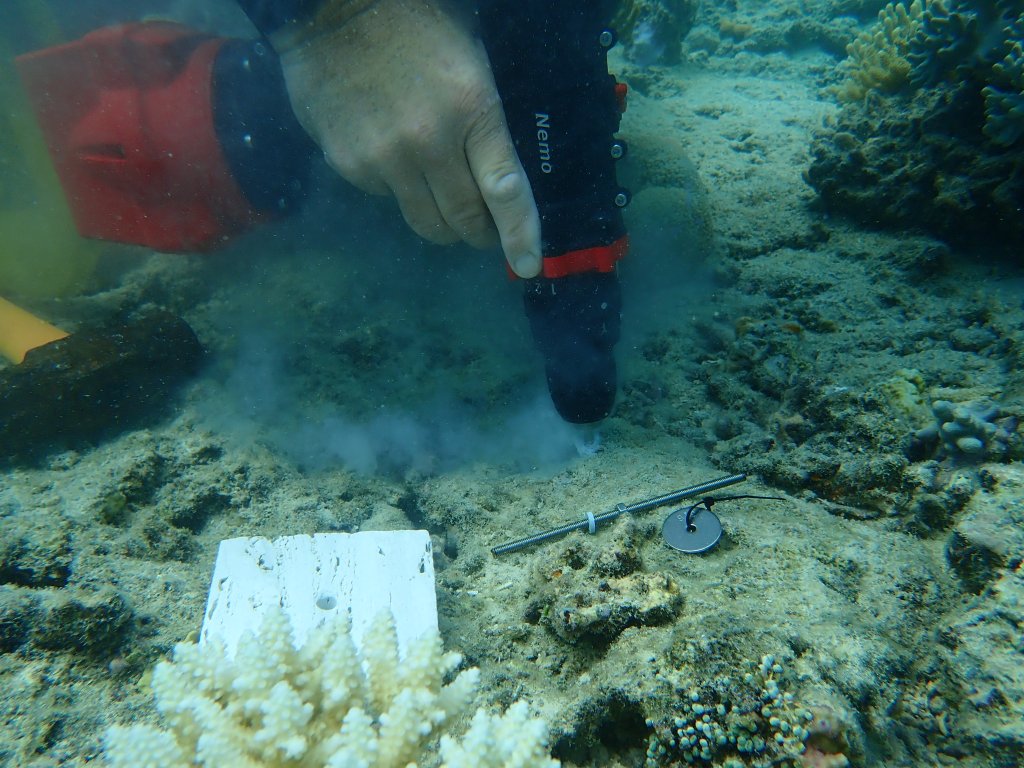
Marine scientists use settlement tiles to monitor marine animals that settle permanently in one place but are too small to see during very early life stages. Settlement tiles work best when they are made from material that is similar to natural surfaces and have been left in the ocean long enough to accumulate natural biofilms, creating a ‘friendly’ environment for a larval animal searching for its forever home. Coral larvae particularly like settling on limestone that has calcareous algae growing on it.
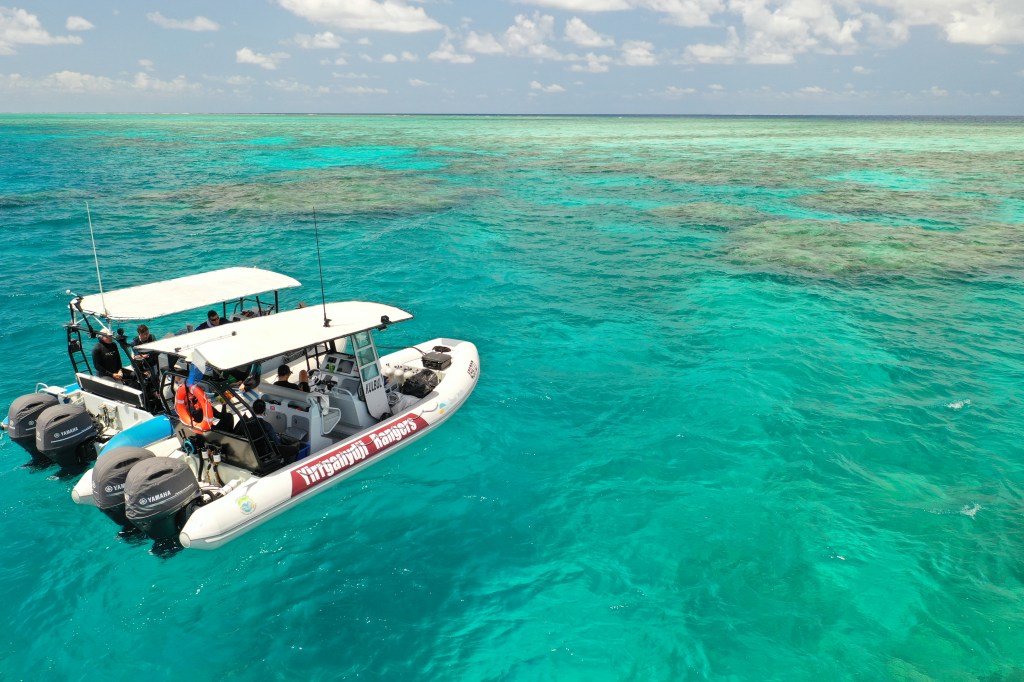
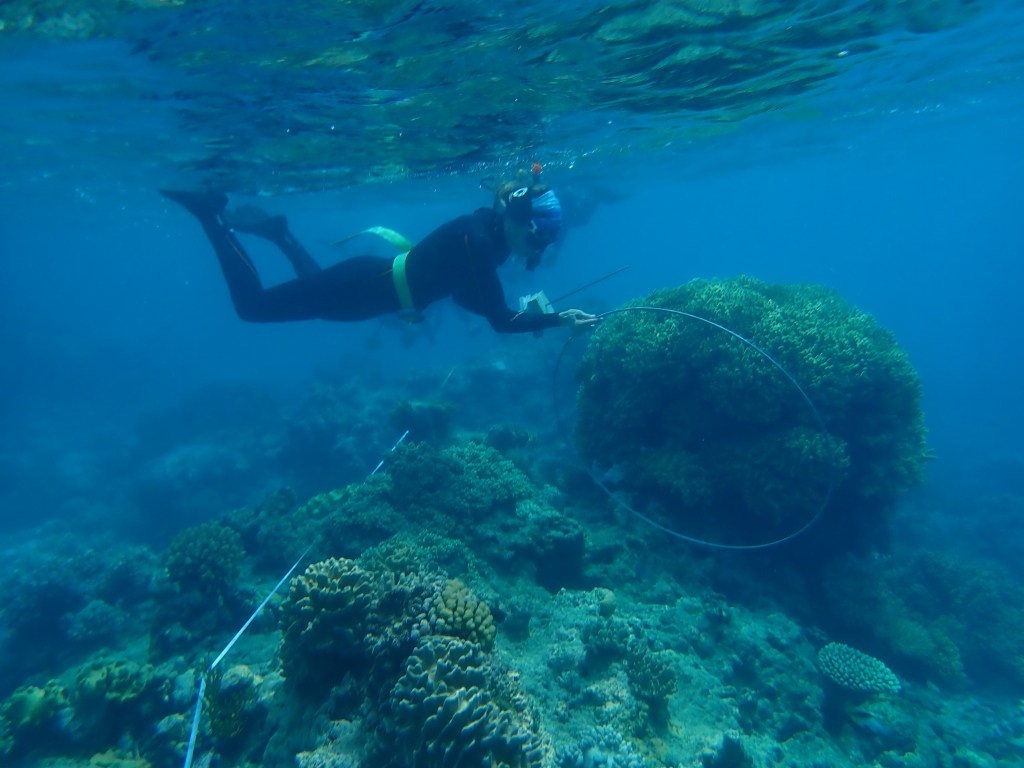
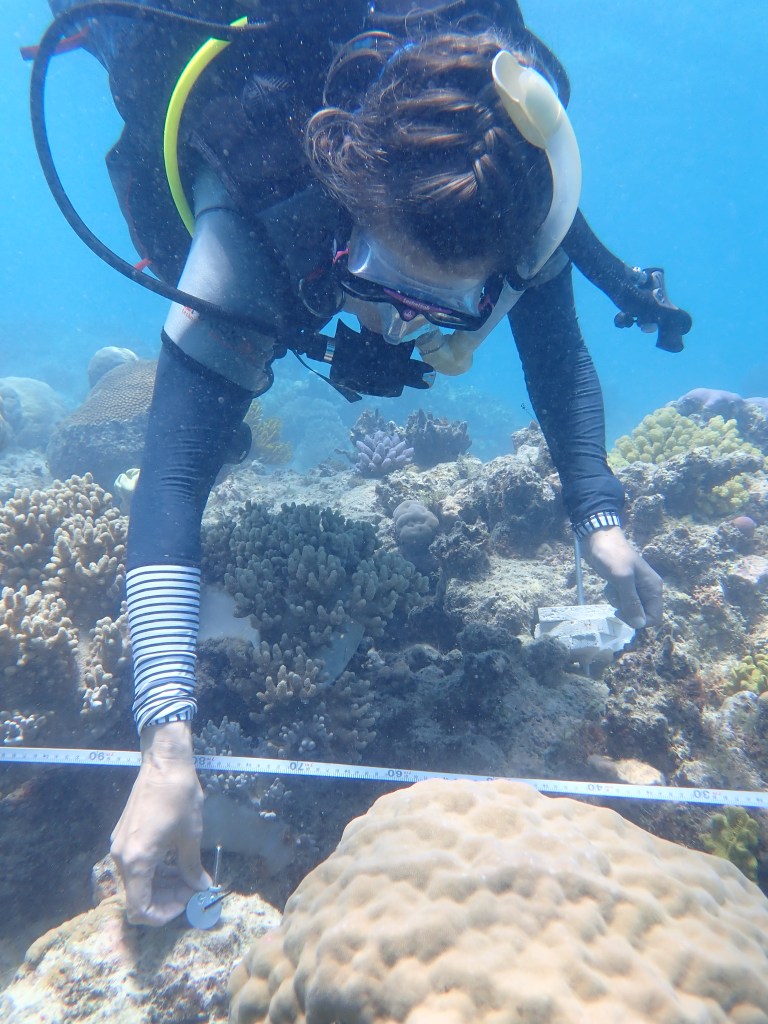
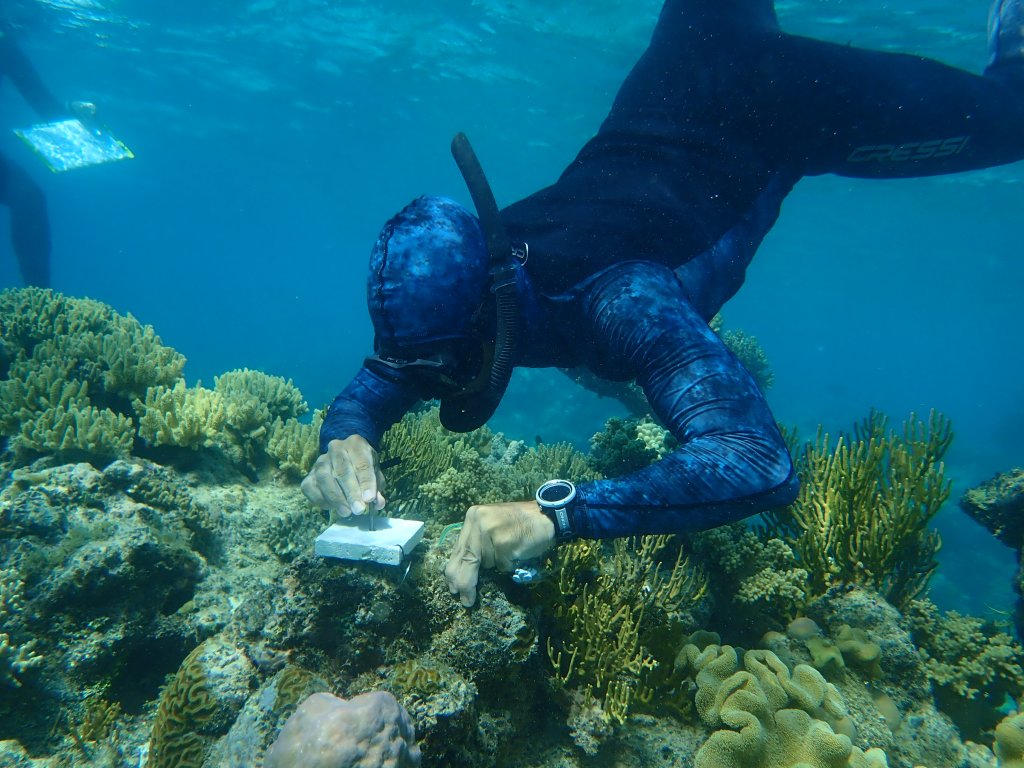
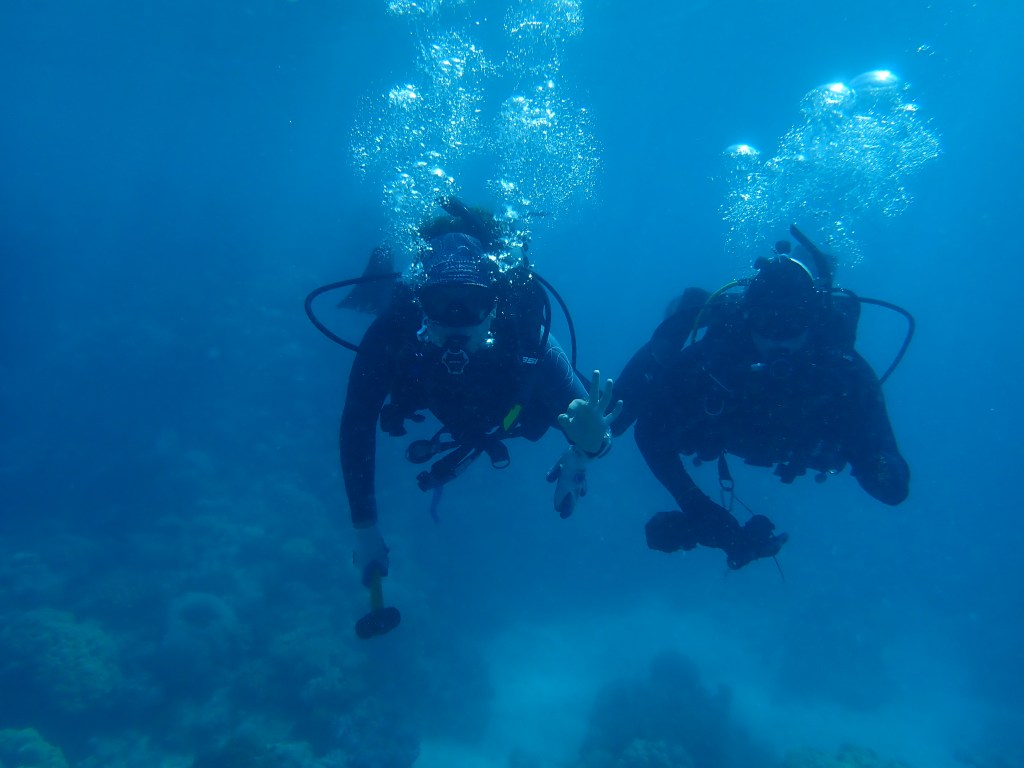
This week, the Reef CoOp Larval Delivery Program team (James Cook University Tropwater, GBR Biology, Yirrganydji Land and Sea Rangers and us) fixed settlement tiles to different areas of Hastings Reef where we’ll be delivering coral larvae in November. The tiles are made from travertine (a form of limestone) and they should develop a good covering of biofilms that the coral larvae will like. Only a small proportion will settle on the tiles, but this will give us an important early indicator of likely settlement success directly onto the reef – which is where we want most of them to settle. We’ll keep monitoring the tiles over time to keep track of the baby corals’ growth. This will also help us know when the babies that settled directly onto the reef should be big enough to find.


 Reef Recruits